
Introduction to The Great Nappy Debate
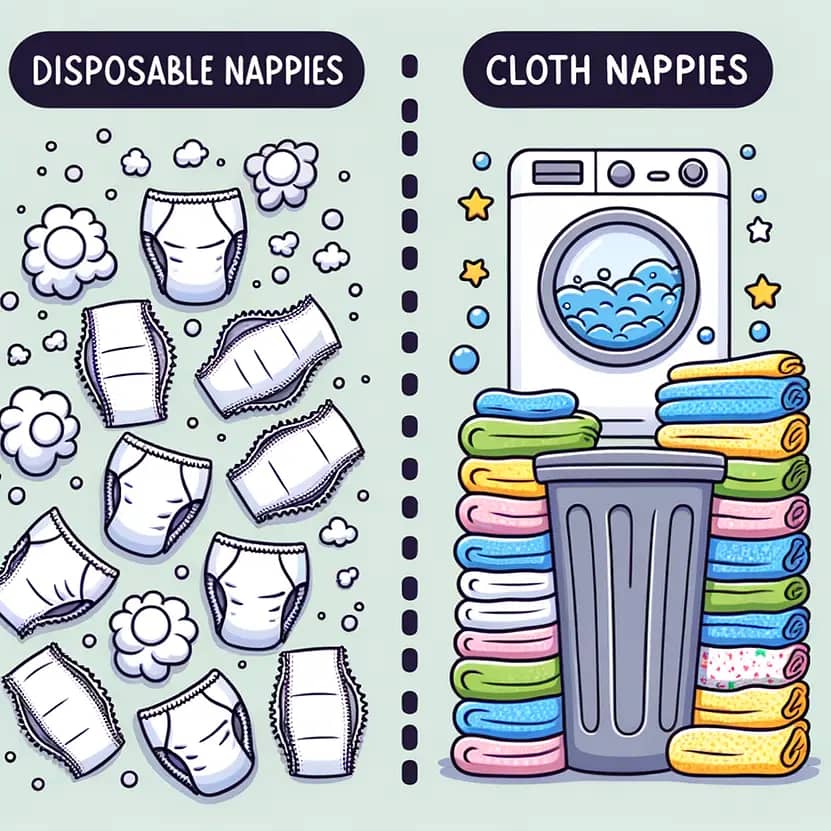
Choosing the right nappies for your little one can feel like one of the first big decisions you make as a new parent. With so many options available today, it’s easy to get caught up in “The Great Nappy Debate”: disposable versus cloth. Both have their loyal fans and valid points, and figuring out which is best for your family involves weighing up convenience, cost, environmental impact, and your baby’s comfort. Let’s dive in and explore the ins and outs of each!
Disposable Nappies: Convenience at Your Fingertips
Disposable nappies are single-use products designed for easy changes and disposal. They’re typically made from synthetic materials like plastic and superabsorbent polymers (SAPs) that efficiently wick away moisture to keep your baby dry.
The Great Nappy Debate – Benefits of Disposable Nappies
- Ultimate Convenience: When you’re on the go, disposable nappies are a lifesaver. Simply remove the soiled nappy and throw it away; no washing or drying needed.
- High Absorbency: The SAPs in disposables are incredibly effective at soaking up liquid, keeping your baby dry for longer, which is especially useful overnight.
- Excellent Leak Protection: Many disposables feature advanced leak guards and flexible designs that offer superior protection against leaks compared to most cloth options.
- Wide Availability: You’ll find disposable nappies everywhere supermarkets, pharmacies, and online in a huge range of sizes, designs, and even hypoallergenic options.
- Hygiene: Their single-use nature means you don’t have to deal with washing dirty nappies, and their moisture-wicking properties can help reduce the risk of nappy rash and bacterial infections.
The Great Nappy Debate – Drawbacks of Disposable Nappies
- Environmental Impact: This is a major concern. Disposables contribute significantly to landfill waste and can take hundreds of years to decompose due to their plastic content.
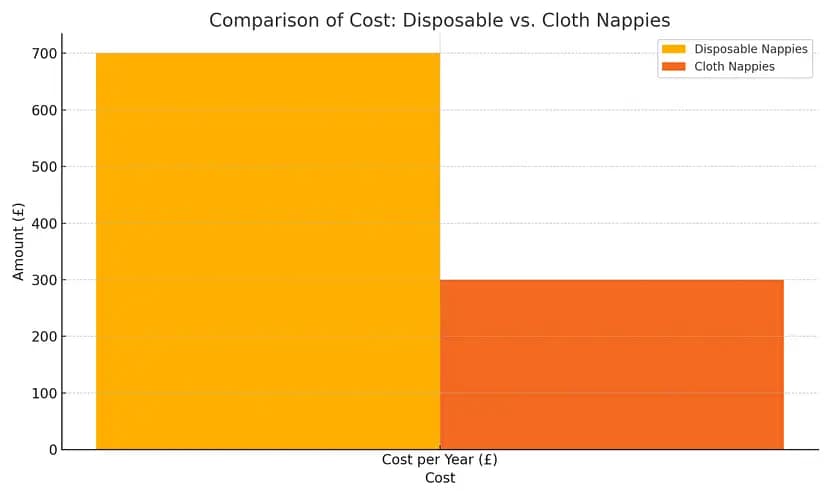
- Long-Term Cost: While convenient, disposables add up financially. A baby typically uses 5,000 to 6,000 nappies before potty training, which can amount to thousands of pounds over a few years.
- Chemical Concerns: Some parents worry about chemicals like chlorine, fragrances, and dyes used in disposables. While many brands offer “green” alternatives, these often come with a higher price tag.
Types of Disposable Nappies
- Standard Disposable Nappies: The most common type, available in various sizes with features like wetness indicators and leak guards.
- Eco-Friendly Disposable Nappies: Made with more sustainable materials, some are even biodegradable. However, full decomposition in a landfill remains a challenge.
- Sensitive Skin Disposable Nappies: Free from fragrances, dyes, and chlorine, these are ideal for babies prone to irritation or allergies.
Cloth Nappies: An Eco-Friendly and Budget-Conscious Choice
Cloth nappies are reusable and made from materials like cotton, bamboo, and hemp. They need to be washed and dried after each use. They come in various styles, including prefolds, fitted nappies, all-in-ones, and pocket nappies.
The Great Nappy Debate – Benefits of Cloth Nappies
- Reduced Environmental Waste: A primary reason parents choose cloth is their reusability. They don’t end up in landfills, significantly reducing your family’s carbon footprint.
- Significant Cost Savings: While the initial investment is higher, cloth nappies offer substantial long-term savings. They can be reused for multiple children, saving you potentially thousands of pounds over time.
- Natural Materials: Often made from natural fabrics, cloth nappies are softer and gentler on a baby’s skin, which can reduce the risk of irritation, especially for sensitive skin.
- Customizable Fit: Many cloth nappies feature adjustable snaps or Velcro, allowing for a snug, comfortable fit as your baby grows.
- Variety and Style: Modern cloth nappies come in a vast array of colours, patterns, and styles, allowing for a touch of personal flair.
The Great Nappy Debate – Drawbacks of Cloth Nappies
- Upfront Costs: The initial purchase of a full set of cloth nappies can be a notable expense, ranging from £200 to £500. However, this is quickly offset by the ongoing savings.
- Time and Effort: Cloth nappies require regular washing and drying, which can be time-consuming. This also adds to your utility bills, though line-drying can help manage energy costs.
- Bulkiness: Generally, cloth nappies are bulkier than disposables, which might make some baby clothes fit less smoothly.
- Absorbency and Leaks: While effective, cloth nappies may not offer the same level of absorbency as disposables. You might need to change them more frequently or use extra inserts for overnight protection to prevent leaks.
Types of Cloth Nappies
- Prefold Nappies: Simple rectangular fabric pieces that need to be folded and secured with a cover. They are often the most budget-friendly.
- Fitted Nappies: Shaped like disposables, offering a snug fit, but still require a waterproof outer cover.
- Pocket Nappies: These have a pocket where you can insert an absorbent pad, known for their ease of use and adjustability.
- All-in-One Nappies: The most similar to disposables, with an absorbent layer sewn in. They are convenient but can take longer to dry.
Environmental Considerations: A Closer Look
The environmental impact is a key factor for many parents.
Disposable Nappies and the Environment
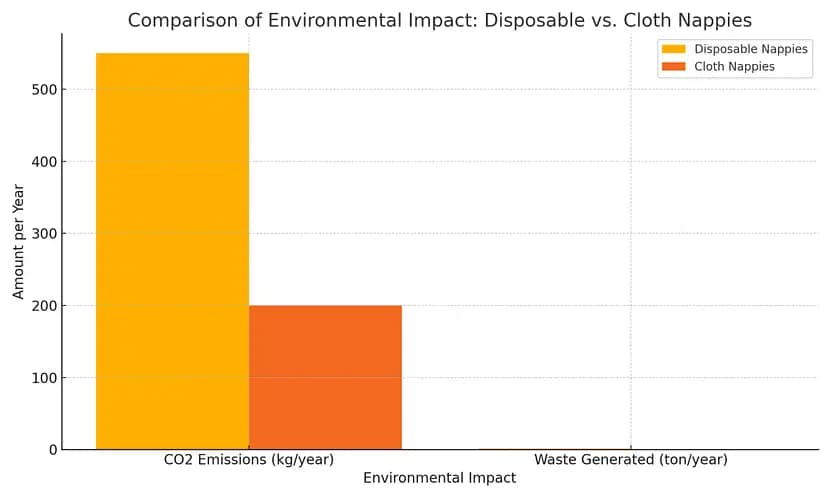
Over 3.6 billion nappies are used in the UK each year, with the vast majority ending up in landfills. The plastics and absorbent polymers in disposables can take up to 500 years to decompose. Their production also demands significant water, energy, and raw materials. While some “biodegradable” options exist, their effectiveness in typical landfill conditions is often limited.
Cloth Nappies and Sustainability
While generally more eco-friendly, cloth nappies aren’t without their own environmental footprint. Washing and drying them consumes water and energy. However, choosing energy-efficient washing machines and especially line-drying can significantly reduce this impact. The major environmental benefit of cloth nappies lies in their reusability, eliminating landfill waste and making their overall footprint much smaller, especially when used for multiple children.
Cost Comparison: What’s Your Wallet Saying?
Understanding the financial outlay is crucial for parents making this decision.
Cost of Disposable Nappies
The cost of disposable nappies can vary, but generally, parents can expect to spend between £1,000 and £1,500 from birth until potty training. These costs are spread out over two to three years.
Cost of Cloth Nappies
The initial cost for a full set of cloth nappies (including covers and inserts) typically ranges from £200 to £500. While this is a larger upfront investment, these nappies can be used repeatedly and often last through multiple children, leading to dramatic long-term savings. You’ll also need to factor in slightly increased utility bills for washing, though line-drying can help mitigate this.
Health Considerations for Your Little One
Both types of nappies are generally safe, but there are some health points to consider.
Disposable Nappies and Baby Health
Disposables are designed to keep babies dry and minimise nappy rash. However, some parents worry about the chemicals (chlorine, fragrances, dyes) they contain. For babies with sensitive skin, “green” or hypoallergenic disposable options are available.
Cloth Nappies and Skin Sensitivity
Made from natural, breathable materials like cotton and bamboo, cloth nappies are often gentler on sensitive skin. However, because they don’t wick moisture away as efficiently as disposables, frequent changes are essential to prevent prolonged wetness, which can lead to nappy rash. Using breathable, waterproof covers and absorbent inserts can help.
The Final Verdict: Which Nappy is Right for You?
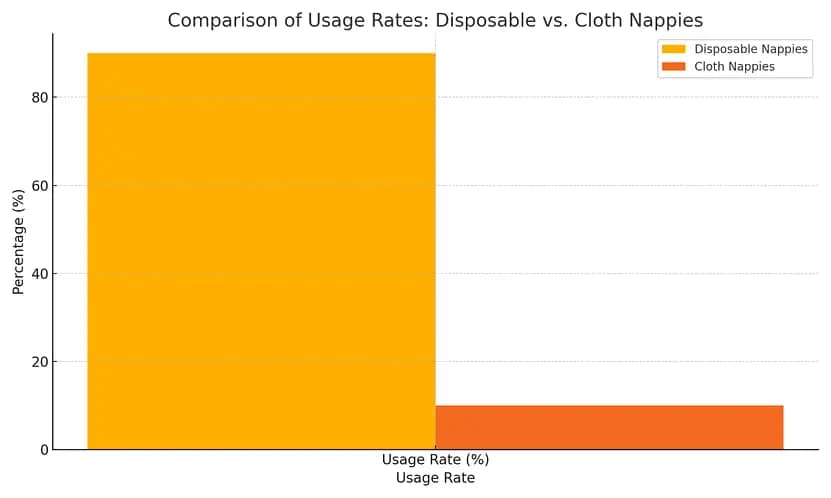
There’s no single “best” answer in the disposable versus cloth nappy debate. Your ideal choice will depend on your personal preferences, lifestyle, and values.
Here’s a quick summary to help you decide:
- For Convenience: Disposable nappies offer a quick, hassle-free solution with high absorbency.
- For Budgeting: While they require a larger initial investment, cloth nappies provide significant long-term savings, especially if used for more than one child.
- For the Environment: Cloth nappies generally have a smaller environmental impact, particularly when washed efficiently and reused.
- For Baby’s Health: Both are safe, but babies with sensitive skin might benefit from the natural materials in cloth nappies or hypoallergenic disposable options.
Many parents find a combination of both works best, using disposables for outings or travel and cloth nappies at home. By weighing these pros and cons, you can confidently choose the option that best fits your family’s unique needs.
FAQs – The Great Nappy Debate
What are the main differences between disposable and cloth nappies?
Disposable nappies are single-use, highly absorbent, and made from synthetic materials. They’re convenient for easy disposal. Cloth nappies are reusable, made from natural or synthetic fabrics, and need to be washed after each use, offering eco-friendly and long-term cost savings.
Which type of nappy is more environmentally friendly?
Cloth nappies are generally more environmentally friendly because they’re reusable and don’t contribute to landfill waste. However, remember that washing cloth nappies requires water and energy, so factors like cold water washing and line drying can further reduce their environmental impact.
Are cloth nappies cheaper than disposable nappies?
Yes, cloth nappies are typically cheaper in the long run despite a higher upfront cost. Parents can often save hundreds to thousands of pounds using cloth nappies, especially if they’re reused for multiple children, whereas disposable nappies can cost over £1,000 to £1,500 by the time a child is potty-trained.
How often do I need to change a cloth nappy compared to a disposable nappy?
Cloth nappies generally need changing more frequently, usually every 2 to 3 hours, to prevent moisture buildup. Disposable nappies, thanks to their superabsorbent polymers, can often last longer, typically 4-5 hours or even overnight without leaks, depending on the brand.
Do cloth nappies cause more nappy rash than disposables?
Cloth nappies themselves don’t inherently cause more nappy rash. However, because they don’t wick moisture away as effectively as disposables, you might need to change them more frequently to prevent irritation. Using breathable fabrics, proper covers, and changing nappies promptly can help reduce the risk of nappy rash with cloth nappies.
How many cloth nappies will I need?
A typical cloth nappy stash includes about 20 to 30 nappies, depending on how often you plan to wash. If you wash daily, you may need fewer, while less frequent washing might require a larger supply.
Dudu N Girlie Terry Towelling Nappies

Soft, absorbent, and durable, these Dudu N Girlie Terry Cotton Baby Towelling Nappies come in a convenient 6-piece white set, perfect for your baby's comfort and your peace of mind.
Tip
Once your child is out of terry towelling nappies, they make fantastic dusters.
Further Reading
Research Links
- Environmental Impact of Disposable vs Reusable Nappies in 2023:
- Are reusable nappies better for the environment than disposable nappies?
- The Environmental Impact of Cloth versus Disposable Nappies: