Choosing the Right Baby Clothes: Few shopping decisions feel as joyful and overwhelming as choosing clothes for your baby. From newborn sleepsuits to toddler playwear, the options can feel endless. Beyond style, parents must balance comfort, safety, practicality, and durability, especially when little ones grow faster than you can refresh their wardrobe.
This guide explores how to choose the right baby clothes for every stage of development, with insights into fabrics, seasonal considerations, and essentials worth investing in. Whether you’re preparing for your first newborn or navigating the whirlwind of toddlerhood, this article offers a roadmap for dressing your child with confidence.
Understanding Baby Clothing Needs by Age
Babies’ clothing requirements evolve quickly in the first three years. Each stage brings unique considerations:
Newborn to 3 Months: Comfort and Simplicity
- Priorities: Softness, easy changes, safety.
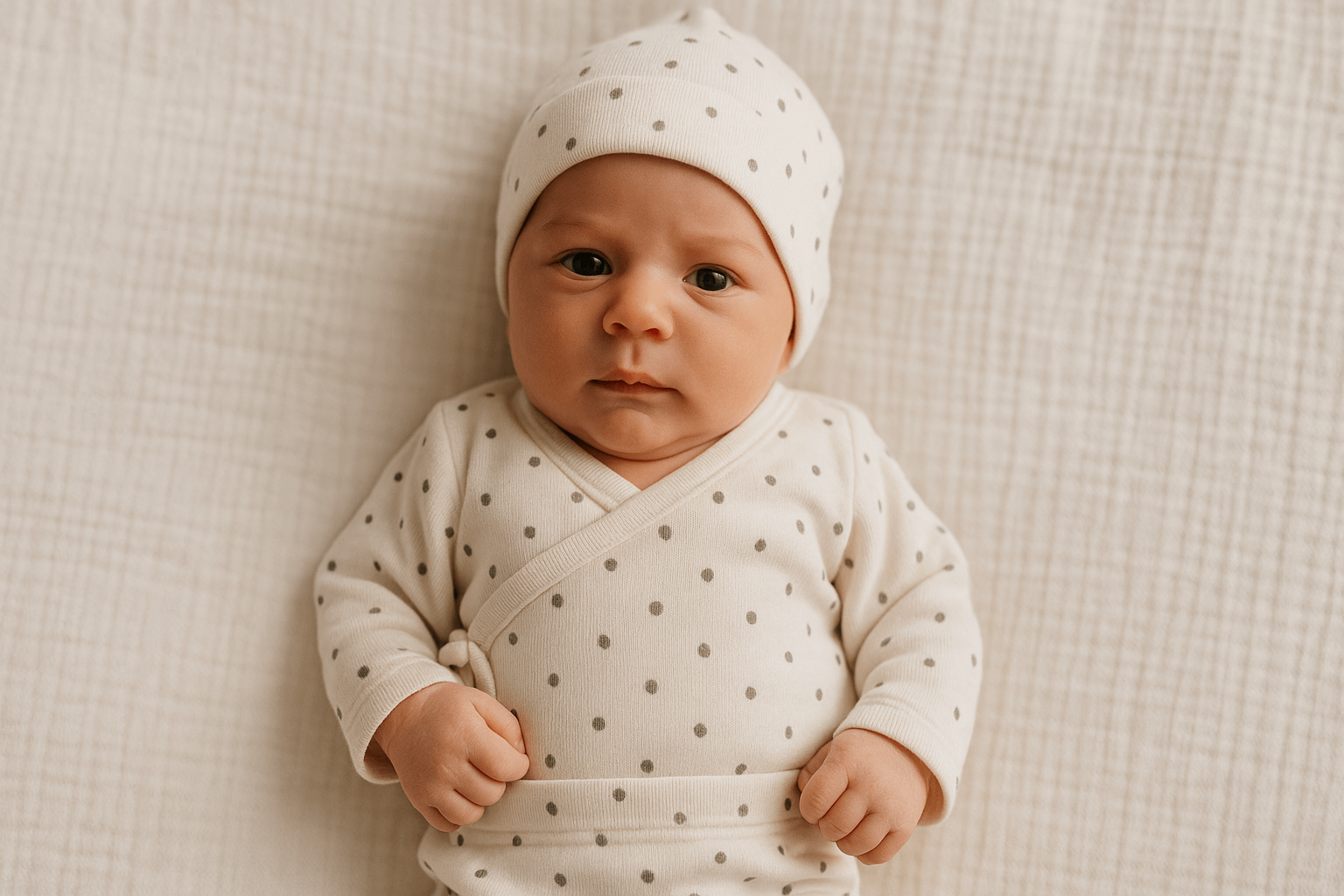
- Best Picks: Cotton sleepsuits, kimono-style bodysuits, zip or snap fastenings, and mittens to prevent scratching.
- What to Avoid: Excess layers, decorative buttons, or anything that could irritate sensitive skin.
3 to 6 Months: Functionality Meets Growth Spurts
- Priorities: Room for movement, weather-appropriate layers.
- Best Picks: Stretchy leggings, long-sleeved bodysuits, cardigans, and soft socks.
- Tip: Babies double their birth weight around 5 months – so size up when in doubt.
6 to 12 Months: Crawling and Exploration
- Priorities: Durability and flexibility.
- Best Picks: Knee-friendly leggings, rompers, overalls, and breathable tops.
- Avoid: Tight jeans, rigid fabrics, or anything restricting movement.
12 to 24 Months: Active Play and Independence
- Priorities: Easy dressing, toddler-proof fabrics.
- Best Picks: Joggers, T-shirts, hoodies, soft shoes with grip, and elasticated waistbands.
- Note: Toddlers resist outfit changes, opt for quick fastenings and pull-ons.
2 to 3 Years: Style Meets Practicality
- Priorities: Self-dressing, durability, seasonal adjustments.
- Best Picks: Mix-and-match separates, raincoats, sturdy footwear, and easy-zip jackets.
- Encourage: Simple choices (two tops, two bottoms) to foster independence.
Fabrics and Materials: What to Look For
The fabric you choose affects your baby’s comfort and skin health.
- Organic Cotton: Hypoallergenic, breathable, and sustainable. Ideal for everyday basics.
- Bamboo: Naturally antibacterial, absorbent, and silky-soft, great for sensitive skin.
- Wool Blends: Warm but breathable, useful in colder months. Look for machine-washable options.
- Avoid: Harsh synthetics, polyester-heavy blends for hot weather, or fabrics requiring dry cleaning.
Seasonal Considerations
Summer
- Lightweight cotton, sunhats with neck flaps, and short-sleeved bodysuits.
- Avoid overheating. Babies need just one more layer than adults in warm weather.
Winter
- Layering is key: bodysuit + sleepsuit + cardigan/jumper.
- Add pram suits, mittens, and hats for outdoor trips.
- Avoid bulky layers in car seats; use blankets instead for safety.
Transitional Seasons (Spring & Autumn)
- Light cardigans and easy-on jackets.
- Layering with breathable fabrics to adjust to unpredictable weather.
Safety First: Clothing Features to Avoid
- Loose ribbons, ties, or cords: Choking/strangulation hazards.
- Beads, sequins, or embellishments: Risk of ingestion.
- Non-breathable fabrics: Can contribute to overheating.
- Tight elastics: Restrict circulation or leave marks.
Essential Baby Clothing Checklist
For parents who want a core, minimal wardrobe:
- 6–8 sleepsuits
- 6–10 bodysuits (short and long sleeve)
- 4–6 pairs of leggings/joggers
- 2–3 cardigans/jumpers
- 2 hats (cotton for summer, knitted for winter)
- Socks/booties (6–8 pairs)
- Pram suit (winter) or lightweight jacket (spring/summer)
Investing Smartly: Buy New vs. Second-Hand
- Buy New: Everyday basics like bodysuits, undergarments, and sleepsuits.
- Second-Hand: Jackets, seasonal outfits, and rarely used items like party clothes.
- Tip: Babies outgrow sizes quickly; resale platforms and swaps save money and reduce waste.
Practical Buying Tips
- Size Up: Clothing often runs small; better slightly loose than tight.
- Think Ahead: Shop a season ahead in the next size, but don’t overbuy.
- Laundry Reality: Babies generate plenty of washing, so choose machine-washable fabrics.
- Accessibility: Fastenings at the front or shoulder snaps make life easier.
- Mix & Match: Stick to a colour palette for easy outfit combinations.
Broader Trends in Baby Clothing
- Sustainability: Organic fabrics and eco-friendly dyes are in high demand.
- Gender-Neutral Styles: Parents increasingly favour versatile colours and unisex designs.
- Tech-Infused Clothing: Emerging products include temperature-regulating fabrics and smart monitors embedded in sleepwear.
- Cultural Influences: Traditional garments (like christening gowns or cultural prints) remain popular for special occasions.
FAQs About Baby Clothes
What size clothes should I buy for a newborn?
Newborn sizes fit babies up to about 8 lbs and 21 inches, but are often outgrown quickly. Buying a mix of newborn and 0–3 month sizes is best to cover growth spurts in the first few weeks.
Which fabrics are best for a baby’s sensitive skin?
Choose breathable, soft fabrics like cotton or bamboo blends. Organic cotton is ideal for sensitive or eczema-prone skin.
What clothing styles make dressing and nappy changes easier?
Look for zip-up or snap-front sleepsuits, envelope-neck tops, and stretchy jumpsuits. Avoid metal fasteners against the skin and choose zippers with protective flaps.
How should I wash baby clothes?
Wash all clothes before first wear using fragrance-free detergent. Use a gentle cycle with cold or warm water, double rinse if needed, and tumble dry on low or air dry.
Are baby clothing sizes consistent across brands?
Not always – measurements vary between retailers. Check size charts and consider buying one size up if unsure.
What safety features should I look for?
Avoid drawstrings, small buttons, or loose embellishments. Choose snug-fitting sleepwear and inspect clothes regularly for loose threads or fasteners.
What are some reliable UK baby clothing brands?
Trusted UK favourites include Next, M&S (Marks & Spencer), John Lewis, and Mothercare for affordable, well-sized essentials. JoJo Maman Bébé and The White Company offer premium organic and stylish options, while supermarkets like Tesco F&F and Sainsbury’s TU are great for budget-friendly everyday basics.
Final Thoughts
Choosing the right baby clothes is about much more than aesthetics; it’s about comfort, safety, and supporting each stage of your child’s development. From the softness of a newborn’s first sleepsuit to the practicality of toddler joggers, each purchase is a small step in making life easier for both parent and child. By prioritising quality fabrics, thoughtful design, and season-appropriate choices, parents can feel confident that their little one is dressed for both comfort and growth.
Further Reading
- Best Highchairs for Small Spaces: A Complete Buyer’s Guide
- How to Prepare Your Home for a Newborn: A Complete Guide for Expectant Parents
- Formula Feeding: What You Need to Know
- Understanding Baby Sleep Cycles: A Comprehensive Guide for Parents
- Building a Bond with Your Baby
Newborn Baby Essentials Clothing Set

Newborn Baby Essentials Clothing Set
Give the gift of comfort with this adorable 100% cotton clothing set for newborns. This super-soft, breathable fabric is gentle on your baby's delicate skin, making it perfect for their first outfit, a special photoshoot, or as a thoughtful baby shower gift.
What's Included:
- 5-Piece Set: Hat, bib, tops, and 2 pairs of pants.
- 8-Piece Set: Shoes, hat, bib, romper, tops, vest, briefs, and pants.
Designed for easy on-and-off dressing, this set is suitable for babies aged 0-3 months.
Notes:
- Please check the size details before purchasing.
- Minor color differences may be due to lighting.