Introduction: Best Baby Swaddles and How to Swaddle Safely
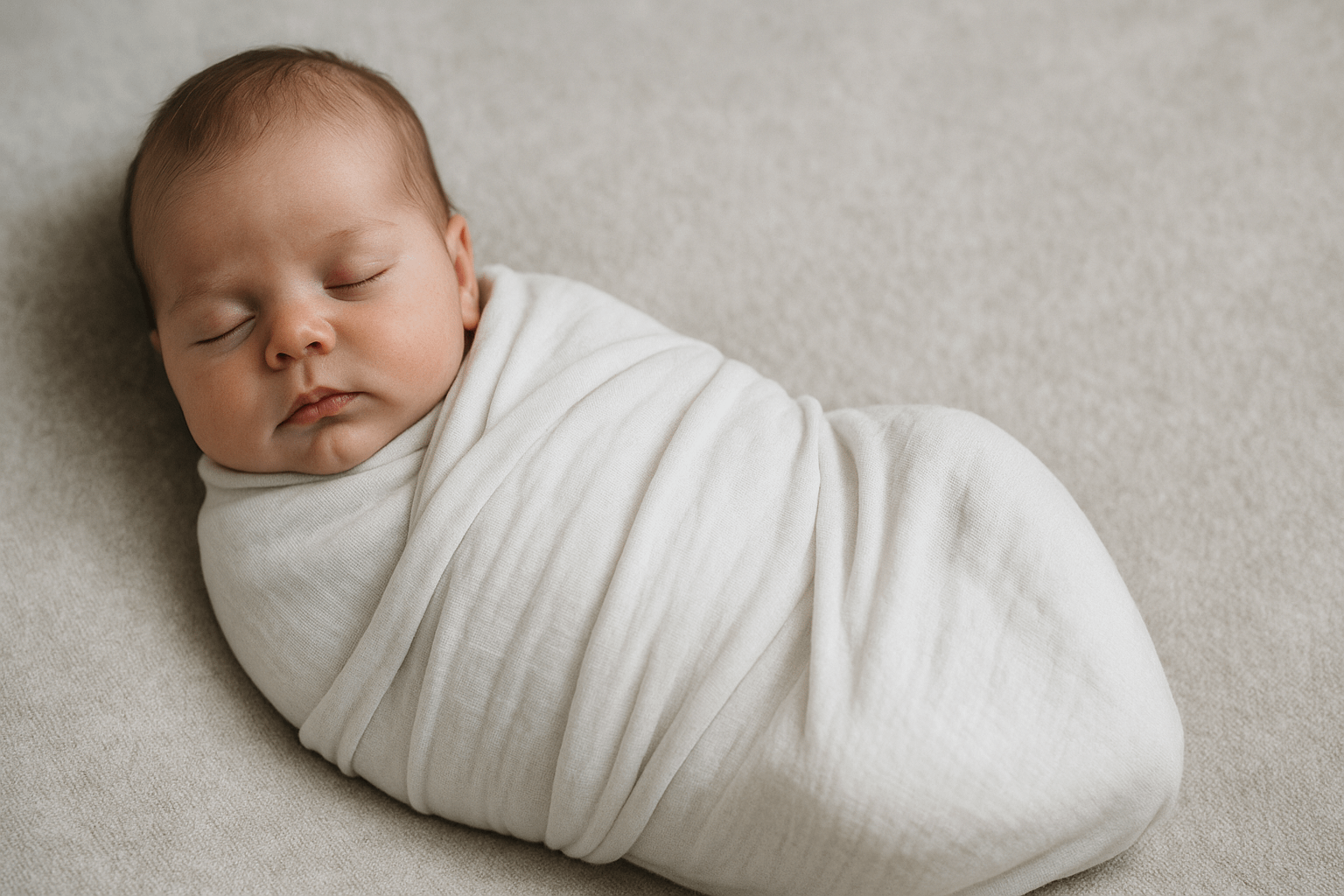
Swaddling is one of the oldest childcare practices in the world, and for many parents, it feels like magic: a snug wrap that transforms a restless newborn into a peaceful sleeper. But as with many baby trends, not all swaddles are created equal, and safety matters just as much as comfort. Whether you’re a first-time parent overwhelmed by the array of products on the market or a seasoned caregiver seeking the best tools, this guide unpacks the essentials, top swaddles, safe techniques, and when to stop swaddling.
Why Swaddling Matters
Newborns enter the world with a strong startle reflex (the Moro reflex), which can wake them unexpectedly. Swaddling helps mimic the snugness of the womb, offering:
- Improved sleep quality: Reduces night waking from sudden movements.
- Soothing comfort: Provides a sense of security and calm.
- Support for parents: More restful nights, especially in the first few months.
But swaddling must be done correctly. Too tight, and you risk hip problems; too loose, and the swaddle becomes a suffocation hazard. Safety guidelines have evolved, making it crucial for parents to stay updated.
The Best Baby Swaddles of 2025
Disclosure: As an Amazon Associate, I earn from qualifying purchases. This means that if you click on a link and make a purchase, I may receive a small commission at no additional cost to you.
Today’s market blends tradition with technology. Here are the leading options, each excelling in different categories:
1. Halo Sleepsack Swaddle – Best Overall
- Why it works: Combines the familiarity of a blanket with the security of a wearable sleep sack.
- Features: Adjustable fasteners, breathable cotton, hip-healthy design.
- Best for: Parents wanting an easy transition to arms-free sleep.
2. Love to Dream Swaddle Up – Best for Self-Soothers
- Why it works: Allows babies to sleep with arms up by their faces – natural for self-soothing.
- Features: Stretchy fabric, twin-zip for easy nappy changes.
- Best for: Babies who dislike arms-tucked swaddling.
3. Aden + Anais Classic Muslin Swaddles – Best Multi-Purpose
- Why it works: Large muslin squares that double as blankets, pram covers, or burp cloths.
- Features: Lightweight, breathable, versatile.
- Best for: Parents who want longevity and value from each purchase.
4. SwaddleMe Original – Best Budget-Friendly
- Why it works: Velcro wings keep the wrap snug and simple.
- Features: Affordable, widely available, beginner-friendly.
- Best for: Parents seeking low-cost, practical solutions.
5. ErgoPouch Cocoon Swaddle Bag – Best for Temperature Regulation
- Why it works: Designed with TOG ratings, helping regulate body temperature in different seasons.
- Features: Organic cotton, two-way zip, arms-in or arms-out flexibility.
- Best for: Families in climates with seasonal shifts.
How to Swaddle Safely
The American Academy of Pediatrics (AAP) and the UK’s NHS provide updated advice on safe swaddling. Key principles include:
- Always place the baby on their back to sleep – never on the stomach or side.
- Hips should remain loose: Tight wrapping of legs can lead to hip dysplasia.
- Keep fabric below the shoulders: Avoid covering the baby’s face or neck.
- Avoid overheating: Use breathable fabrics and adjust for room temperature.
- Transition out at the right time: Stop swaddling as soon as your baby shows signs of rolling (usually around 2–4 months).
When to Stop Swaddling
Swaddling is a short-lived phase. As babies grow more mobile, swaddles become risky. Transitioning to a sleep sack is the next step, allowing comfort without restriction.
Signs it’s time to stop:
- Baby starts rolling onto tummy.
- Baby resists swaddling and prefers movement.
- Baby sleeps longer with one or both arms free.
FAQs About Swaddling
What is the safest way to swaddle a newborn?
The safest way to swaddle is to use a breathable, lightweight blanket or purpose-made swaddle and wrap it snugly around the baby’s torso while leaving room for hip movement. Always place your baby on their back to sleep and ensure their face remains uncovered.
Are swaddles safe for overnight sleep?
Swaddling can be safe for overnight sleep if done correctly. Babies should always be placed on their backs, swaddles should not be too tight around the hips, and swaddling should stop once your baby shows signs of rolling over.
What type of swaddle is best for newborns?
Soft, breathable fabrics like cotton or muslin are ideal for newborn swaddles, as they help regulate body temperature. Many parents choose Velcro or zip-up swaddles for convenience and a consistent fit.
How long should I swaddle my baby?
Most babies enjoy swaddling for the first two to three months. Stop swaddling when your baby shows signs of rolling over, usually around 8 to 12 weeks, to reduce the risk of suffocation.
Can swaddling affect a baby’s hips?
Improper swaddling that restricts the legs tightly can increase the risk of hip dysplasia. Always allow your baby’s hips and legs to bend and move freely within the swaddle.
Is it better to use a swaddle blanket or a swaddle sack?
Both are safe if used correctly. Swaddle sacks or wraps with Velcro or zips can be easier for parents, while blankets offer more flexibility but require proper technique.
How do I know if my baby is too hot in a swaddle?
Feel your baby’s neck or chest to check for warmth and sweat. Signs of overheating include flushed skin, damp hair, or restlessness. Choose lightweight fabrics and keep the room temperature comfortable.
Final Thoughts
Swaddling remains a trusted tool in the early months of parenthood, but the key lies in balancing tradition with modern safety standards. With the right swaddle and technique, you can nurture better sleep for your baby and yourself while ensuring healthy development. From high-tech sacks to timeless muslin wraps, the options are plentiful, but safety should always be the priority.